

Furniture Storage the Right Way: Wrapping, Airflow, and Elevation
Furniture Storage the Right Way: Wrapping, Airflow, and Elevation
Habib Ahsan
February 23rd, 2026
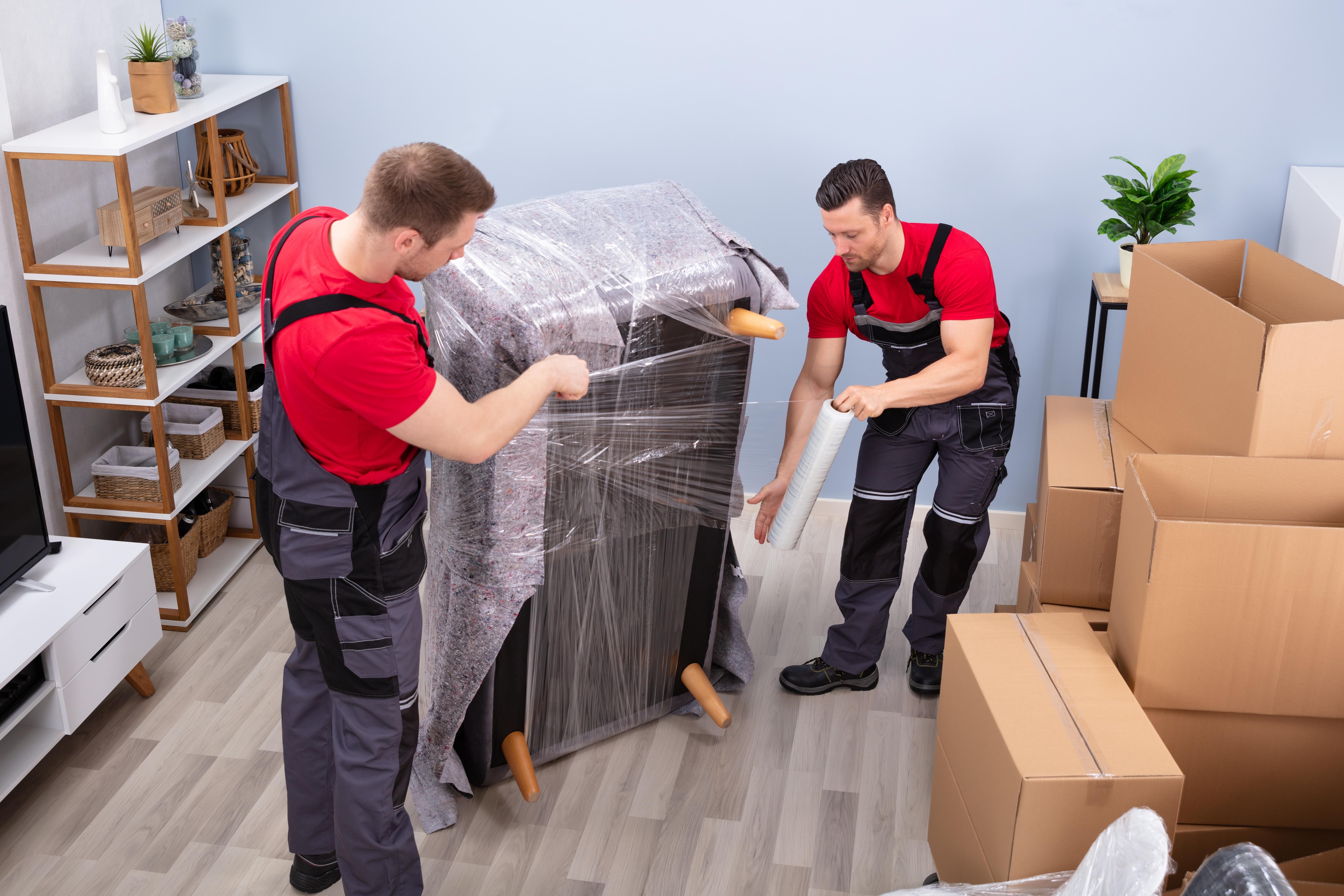
Long-term furniture storage requires more than just placing items in a unit. Most furniture damage happens slowly and is caused by trapped moisture, poor airflow, or contact with concrete floors. Proper storage comes down to three essentials:
- Correct wrapping
- Good airflow
- Elevation off the floor
When these three factors are handled correctly, furniture can stay in excellent condition for years.
Why Proper Furniture Storage Matters
Furniture damage in storage is usually preventable. The most common causes include:
- Moisture trapped under covers
- Poor air circulation
- Floor moisture transfer
- Pressure from improper stacking
These problems affect:
- Upholstered furniture
- Wood furniture
- Mattresses
- Antique furniture
- Veneer surfaces
Long-term storage makes proper setup especially important.
The Three Essentials of Safe Furniture Storage
Wrapping: Protection Without Trapping Moisture
Wrapping protects surfaces from dust and scratches, but it must allow airflow. Good wrapping should:
- Protect finishes and fabrics
- Prevent dust buildup
- Allow air circulation
- Avoid trapping moisture
Furniture needs protection without being sealed off.
Airflow: Preventing Moisture Problems
Airflow is one of the most overlooked parts of storage. Still air allows moisture to settle on surfaces, which can lead to:
- Musty odors
- Mildew
- Finish damage
- Fabric deterioration
Small gaps between items allow air to circulate and keep surfaces dry.
Elevation: Protection From Floor Moisture
Concrete floors often release small amounts of moisture even when they appear dry. Over time this can cause:
- Fabric moisture absorption
- Wood swelling
- Mildew growth
- Finish damage
Elevation creates separation from the floor and improves airflow underneath furniture.
Step 1: Prepare Furniture Before Storage
Clean Furniture Thoroughly
Before storing:
- Remove dust and debris
- Vacuum upholstered surfaces
- Wipe wood furniture clean
- Clean spills or stains
Dust and dirt trap moisture during long storage.
Make Sure Furniture Is Completely Dry
Before wrapping:
- Allow cleaned items to dry fully
- Avoid storing damp fabrics
- Let furniture sit indoors for 24–48 hours if possible
This prevents trapped moisture.
Step 2: Wrap Furniture the Right Way
Best Wrapping Materials
Furniture Blankets
Furniture blankets are ideal because they:
- Allow airflow
- Protect surfaces
- Prevent scratches
- Reduce pressure damage
They work well for both wood and upholstered pieces.
Stretch Wrap (Used Correctly)
Stretch wrap can help hold blankets in place. Best practice:
- Wrap over blankets only
- Do not wrap directly on furniture
- Leave small ventilation gaps
Plastic directly on furniture traps moisture.
Mattress Covers
Mattresses should be protected with:
- Protective covers
- Breathable materials when possible
Always keep mattresses elevated.
Wrapping Mistakes to Avoid
Common mistakes include: Plastic directly on furniture
- Traps moisture
- Causes mildew
- Damages finishes
Over-tight wrapping
- Compresses cushions
- Restricts airflow
Using tarps or sealed covers
- Creates condensation pockets
- Leads to odor buildup
Step 3: Maintain Proper Airflow
Leave Space Between Items
Inside the unit:
- Leave a few inches between pieces
- Avoid tight packing
- Maintain a small walkway
Air movement protects furniture during long storage.
Avoid Wall Contact
Furniture should not sit directly against walls. Leave small gaps to:
- Improve airflow
- Reduce condensation risk
- Protect finishes
This is especially important for long-term storage.
Prevent Airflow Dead Zones
Avoid sealed spaces where air cannot move. Helpful practices:
- Store large items with open space around them
- Avoid sealing areas with stacked boxes
- Allow air to circulate freely
This prevents hidden moisture buildup.
Step 4: Elevate Furniture Off the Floor
Why Elevation Matters
Concrete floors can transfer moisture slowly over time. Elevation protects against:
- Moisture absorption
- Minor water intrusion
- Condensation contact
Even small elevation makes a difference.
Simple Elevation Methods
Good elevation options include: Pallets
- Raise furniture several inches
- Improve airflow
- Protect from floor moisture
Shelving
- Ideal for small furniture pieces
- Keeps items organized
Risers or platforms
- Provide stable support
- Reduce floor contact
Every major piece should be elevated.
Step 5: Store Different Furniture Types Properly
Upholstered Furniture
Best practices:
- Clean and dry thoroughly
- Wrap with breathable blankets
- Elevate fully off the floor
- Avoid stacking heavy items
Upholstery absorbs moisture easily.
Wood Furniture
Wood furniture should be:
- Wrapped with blankets
- Protected from scratches
- Stored level
- Kept away from walls
This helps prevent warping.
Mattresses
Mattresses should be:
- Stored flat when possible
- Fully elevated
- Covered for dust protection
Avoid long-term leaning, which can cause distortion.
Antique or Delicate Furniture
These items need extra care:
- Use additional padding
- Leave extra airflow space
- Avoid stacking items on top
- Elevate securely
Long-term stability is important.
Step 6: Layout Strategies That Protect Furniture
Distribute Weight Properly
Inside the unit:
- Place heavy items on the bottom
- Avoid pressure on delicate pieces
- Use stable surfaces
Weight pressure can cause permanent damage.
Store Furniture in Stable Positions
Best practices include:
- Store sofas on their feet
- Support tabletops evenly
- Avoid uneven pressure points
Stability protects structure and finishes.
Climate-Controlled Storage for Long-Term Furniture Storage
- Reduce moisture buildup
- Prevent mildew
- Protect upholstery
- Stabilize wood furniture
This is especially important in humid environments or coastal areas.
Common Furniture Storage Mistakes
Avoid these common problems:
- Wrapping furniture only in plastic
- Storing damp items
- Placing furniture directly on concrete
- Packing units too tightly
- Blocking airflow
- Choosing units that are too small
Most furniture damage comes from these preventable mistakes.
Furniture Storage Checklist
Before storing furniture:
- Clean and dry all items
- Wrap with breathable materials
- Elevate off floors
- Leave airflow space
- Protect delicate surfaces
- Organize by weight
- Choose proper storage conditions
This checklist helps ensure safe long-term storage.
Final Takeaway
Long-term furniture storage works best when you focus on wrapping, airflow, and elevation. These three steps prevent most storage-related damage and keep furniture in usable condition.
Categories