Humidity Math: Why Dehumidifiers Alone Don’t Replace Climate-Controlled Storage


Many people rely on dehumidifiers to protect stored belongings. In short-term situations, they can help. But when it comes to long-term storage—especially in humid or coastal areas—dehumidifiers alone don’t solve the real problem. The issue isn’t just moisture in the air. It’s unstable conditions. Once you understand how humidity actually works, the limits of dehumidifiers become clear. Why This Matters for Long-Term Storage Most storage damage doesn’t happen from visible water. It happens quietly over time: Rust forming on metal Paper curling or sticking together Mold growing on fabric and wood Electronics failing when powered back on These problems often occur even when a dehumidifier is running. The Simple Reality of Humidity (No Technical Talk) Humidity changes when temperature changes. That’s the key point many people miss. Warm air can hold more moisture When air cools, moisture turns into water Water forms on the coldest surfaces first This is why garages and non-climate units feel dry during the day but develop condensation overnight. A dehumidifier removes moisture after it appears. Climate control prevents it from forming in the first place. What Dehumidifiers Actually Do Well Dehumidifiers can help in limited situations: Reducing musty smells Lowering moisture in small, sealed spaces Short-term storage where conditions don’t change much They work best when: The space is small Doors stay closed Temperature remains steady Someone is present to empty the water tank What Dehumidifiers Cannot Control Even a high-quality unit cannot: Stop temperature swings Prevent overnight cooling Control moisture entering from outside air Prevent condensation on cold surfaces Operate reliably during power outages or absences In real storage environments, these limits matter. The Math Problem Most People Miss Moisture Comes In Faster Than It Can Be Removed In non-climate spaces, moisture enters from: Outdoor air every time a door opens Concrete floors and walls Small gaps and ventilation points Most portable dehumidifiers remove a limited amount of water per day, and that capacity drops when temperatures cool. Over time, moisture input exceeds removal. Condensation: The Damage You Never See Coming Condensation forms when: Warm, humid air contacts cooler surfaces Nighttime temperatures drop Metal, paper, and electronics cool faster than air Water forms directly on items—not in the air. This is why: Tools rust even when RH readings look ...


Habib Ahsan
January 28th, 2026


Covered Parking vs. Marina Slips: The Real Cost Logic for Trailer Boat Owners


Marina Slips

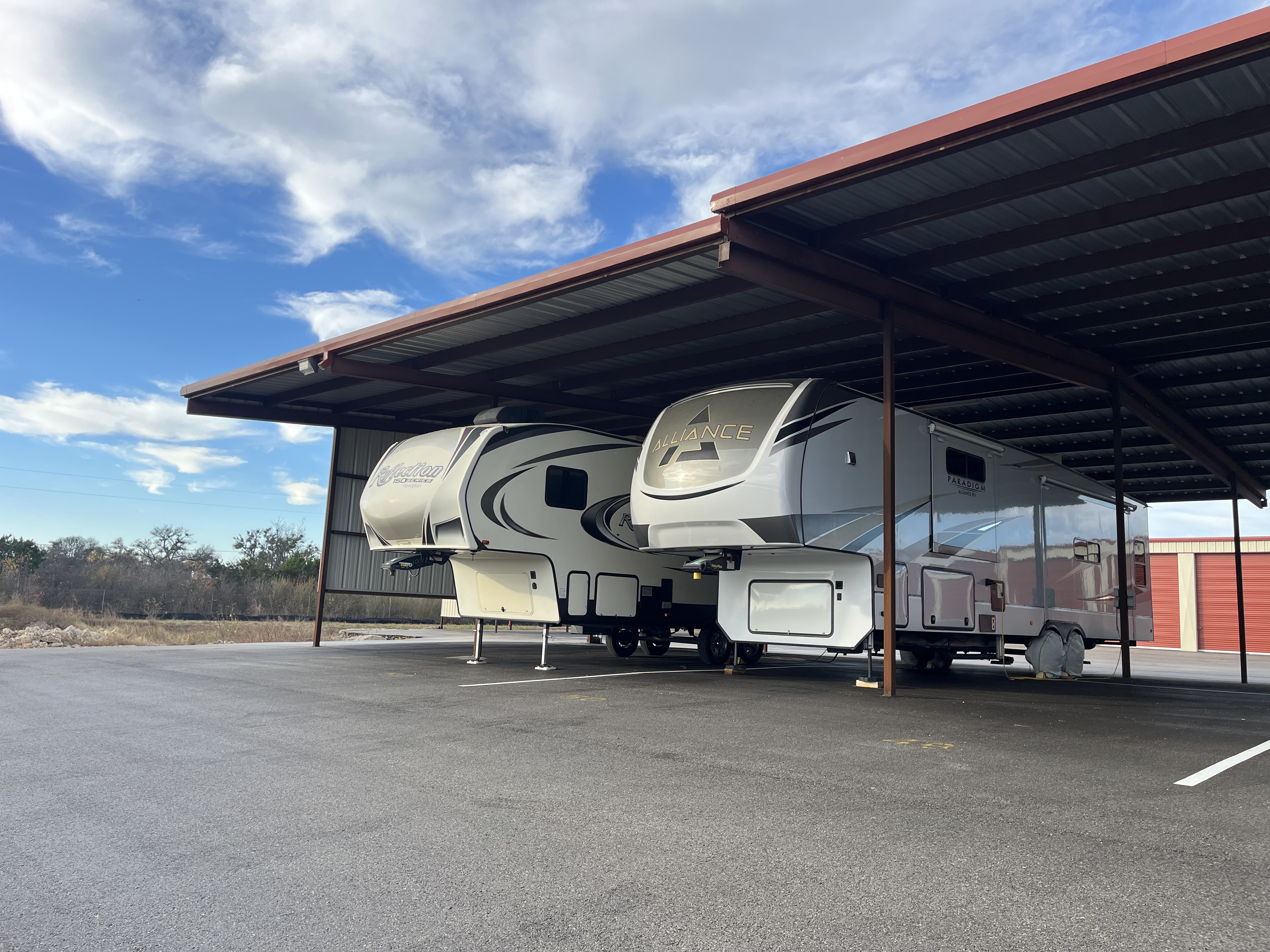
If you own a trailerable boat near the coast, choosing between covered parking and a marina slip isn’t just about convenience—it’s about how often you actually use your boat and what you’re paying when it sits idle. Many owners default to marina slips without doing the math. Others assume covered parking is less convenient than it really is. This guide breaks down the real cost logic so you can make a decision based on use, not habit. Why Storage Choice Has a Bigger Impact Than Most Owners Expect Boat costs don’t stop at purchase and maintenance. Storage quietly becomes one of the largest ongoing expenses, especially if the boat isn’t used frequently. Key reality: Most trailer boats leave storage 2–6 times per month Slip fees are paid every day, used or not Storage choice directly affects long-term wear, resale value, and flexibility What Covered Parking Really Offers Covered parking is outdoor storage with overhead protection, designed for boats that live on trailers. What You’re Paying For Shade that protects:Gelcoat and paint from sun fade Upholstery and console plastics Ground-level access:Easy loading, rinsing, and prep Freedom to choose:Any launch ramp Any fishing area, not just one marina What It Costs (Typically) Monthly fees are significantly lower than marina slips Pricing is usually based on:Boat length, not width No utility charges or dock surcharges What Marina Slips Actually Include Marina slips store boats in the water at a fixed dock location. What You’re Paying For Immediate water access Dock utilities (power, lighting, water) Marina amenities (fuel dock, restrooms, security presence) What Raises the Cost Higher monthly base rent Extra charges for:Electricity usage Liveaboard or extended stay Long-term dockage increases Slip costs add up even if the boat never leaves the dock. Cost Per Use: The Number Most Owners Never Calculate This is where reality sets in. Example Scenario Marina slip: paid 30 days/month Boat used: 4 weekends (8 days) You’re paying for 22 unused days. Covered parking flips the logic: You pay to store, not to occupy water Each outing costs roughly the same regardless of frequency For trailer boat owners who don’t go out weekly, covered parking almost always wins on value. Wear and Long-Term Condition: Water vs. Dry Storage In-Water ...


Habib Ahsan
January 25th, 2026


Keeping Fishing Gear and Rods Safe With Climate-Controlled Storage During the Off-Season


If you fish along the coast or in humid areas, the off-season can quietly do more damage to your gear than an entire year on the water. Rods, reels, lines, and soft gear are especially vulnerable when they sit unused in garages, sheds, or closets without climate control. The goal of off-season storage isn’t just saving space—it’s making sure your gear works exactly as expected when the season starts again. Why Off-Season Storage Deserves More Attention Fishing gear is built for water—but not for constant moisture and still air. During the off-season, small problems develop slowly and often go unnoticed until it’s too late. Common off-season issues include: Rust forming inside reels Mold developing on fabric gear Rods warping from uneven support Lines becoming weak or brittle These issues don’t usually come from use. They come from how gear is stored. The Biggest Threats to Fishing Gear in Coastal Areas Moisture That Never Fully Dries Even when gear looks dry, humidity keeps moisture in: Reel housings Rod guides Tackle boxes Fabric seams This leads to rust, mold, and odors over time. Salt in the Air Salt particles settle on gear—even indoors. Garages and sheds allow salt air to circulate freely, speeding up corrosion on metal parts. Temperature Swings Daily temperature changes cause condensation: Warm days and cool nights pull moisture into sealed parts Lubricants break down in heat Repeated expansion stresses rods and finishes Why Climate-Controlled Storage Works Better Climate-controlled storage creates a stable environment that protects fishing gear without extra effort. It helps by: Keeping moisture levels consistent Preventing condensation inside reels Reducing mold growth on soft gear Slowing rust and corrosion Preserving line strength and reel performance For off-season storage longer than a few weeks, climate control becomes a preventive measure, not a luxury. How to Prepare Fishing Rods for Off-Season Storage Clean Before You Store Rinse rods with fresh water to remove salt Pay attention to guides and reel seats Dry completely before storing Skipping this step allows salt and moisture to keep working while the rod sits unused. Store Rods With Proper Support Store rods vertically or flat with full support Avoid leaning rods against walls at an angle Separate multi-piece rods to relieve joint pressure Use ...


Habib Ahsan
January 19th, 2026


Coastal Metal Damage: Climate-Controlled Storage vs. Garage for Tools & Equipment


Living near the Texas Gulf Coast offers incredible benefits—but it also presents a serious challenge for anyone storing metal tools or equipment. In areas like Corpus Christi, Flour Bluff, and Padre Island, high humidity and salt-laden air accelerate corrosion, rust, and mechanical failure. Many homeowners and professionals assume a garage is enough. In reality, climate-controlled storage often provides far superior protection. Here’s how the two compare—and when each option makes sense. Why Coastal Environments Destroy Metal Faster Coastal conditions expose metal to: Constant humidity that promotes oxidation Salt particles in the air that act as corrosion catalysts Temperature swings that create condensation Limited airflow in enclosed spaces Together, these factors can cause tools to rust months or even years sooner than expected. Garage Storage: Pros & Limitations When a Garage Works A garage may be acceptable for: Short-term storage Frequently used tools that are cleaned and oiled regularly Durable equipment designed for outdoor exposure Where Garages Fall Short In coastal Texas, most garages: Are not humidity controlled Trap moisture overnight Experience heat buildup during summer Allow salt air infiltration Even closed garages can develop condensation, leading to rust on hand tools, power tool internals, fasteners, and machinery. Climate-Controlled Storage: Why It Performs Better Climate-controlled units maintain stable temperature and reduced humidity, dramatically slowing corrosion. Benefits for Tools & Equipment: Minimizes rust and oxidation Protects internal electrical components Reduces condensation-related damage Preserves resale value and lifespan This makes climate storage ideal for: Power tools and specialty equipment Automotive and marine tools Precision instruments Backup or seasonal equipment Tools stored during deployments or long absences Real-World Use Cases Along the Coast Contractors & Trades Storing backup tools in climate control prevents costly replacements and downtime. Military Families During deployments, climate storage protects equipment that may sit untouched for months. Homeowners & Hobbyists Expensive tools stay clean, functional, and ready for use—without constant maintenance. Tips to Maximize Metal Protection (Anywhere You Store) No matter where you store tools: Clean and dry tools before storage Apply light oil or corrosion inhibitors Use moisture absorbers or silica packs Store items off the floor Avoid airtight plastic wrapping These steps enhance protection—but climate control remains the strongest defense. Why Coastal Residents Choose OSO Climate Storage At OSO Climate Storage, we offer solutions designed for coastal ...


Habib Ahsan
January 16th, 2026


Choosing Between Climate-Controlled and Drive-Up Storage in Flour Bluff: Real-World Use Cases


If you live in Flour Bluff or coastal Corpus Christi, choosing the right type of storage unit matters more than you might think. Between high humidity, salt air, and intense heat, the local climate plays a major role in how well your belongings hold up over time. Two of the most common options—climate-controlled and drive-up storage—serve very different purposes. Here’s how to decide which one fits your situation, with real-world use cases from Flour Bluff residents. When Climate-Controlled Storage Is the Right Choice Climate-controlled units maintain consistent temperature and humidity, making them ideal for items sensitive to coastal conditions. Use Case #1: Military Families & PCS Moves Military families near NAS Corpus Christi often store: Uniforms and dress blues Important documents and records Electronics and household furniture Why climate control works: Prevents mold, mildew, and paper deterioration during deployments or long-term storage. Use Case #2: Homeowners Storing Furniture Long-Term Flour Bluff homeowners frequently use climate storage for: Wood furniture and antiques Mattresses and upholstered sofas Décor and family keepsakes Why climate control works: Protects against warping, cracking, and moisture damage caused by coastal humidity. Use Case #3: Small Businesses & Inventory Storage Local businesses store: Retail inventory Documents and files Electronics and equipment Why climate control works: Keeps products in sellable condition and prevents damage that could impact business operations. When Drive-Up Storage Is the Better Fit Drive-up units offer direct vehicle access, making them ideal for durability, convenience, and frequent use. Use Case #4: Beach & Outdoor Gear Common items stored include: Kayaks, paddleboards, and surfboards Fishing gear and coolers Beach carts and chairs Why drive-up works: Easy loading and unloading without worrying about climate sensitivity. Use Case #5: Contractors & Tools Contractors and tradespeople often store: Power tools and ladders Building materials Job-site equipment Why drive-up works: Fast access and ground-level entry save time on busy workdays. Use Case #6: Short-Term Moves & Garage Overflow During moves or renovations, residents store: Boxes and appliances Extra furniture temporarily Seasonal household items Why drive-up works: Cost-effective and convenient for short-term needs. Can You Use Both? Absolutely. Many Flour Bluff residents use both storage types: Climate-controlled units for valuables Drive-up units for gear and durable items This hybrid approach offers maximum protection and flexibility. Why Flour Bluff ...


Habib Ahsan
January 13th, 2026


What Never Belongs in Non-Climate Storage Near the Texas Coast


The Texas Gulf Coast offers beautiful views and coastal living—but it also brings high humidity, heat, and salt air, which can be brutal on stored belongings. For residents in Corpus Christi, Flour Bluff, and Padre Island, understanding what not to store in non-climate units is just as important as choosing the right storage facility. Here’s a clear guide to items that never belong in non-climate storage near the coast. 1. Wood & Antique Furniture Wood reacts poorly to moisture and temperature swings. In non-climate units, wood can: Warp and crack Develop mold and mildew Separate at joints and veneers Lose structural integrity Antique furniture is especially vulnerable and should always be stored in a climate-controlled unit. 2. Paper Documents & Photographs Humidity causes paper to: Curl, yellow, and become brittle Stick together or mold Fade ink and printed text Items like legal documents, military records, photos, and books require stable temperature and humidity to remain usable long-term. 3. Clothing, Uniforms & Linens Fabric absorbs moisture from the air. In non-climate storage, clothing can: Develop musty odors Grow mold and mildew Become permanently stained Attract insects Military uniforms, formal wear, and sentimental textiles should never be stored without climate control near the coast. 4. Electronics & Appliances Heat and humidity can cause electronics to: Corrode internal components Short-circuit wiring Fail when powered back on This includes TVs, computers, printers, small appliances, and audio equipment. Climate-controlled storage is essential. 5. Artwork, Collectibles & Musical Instruments Paintings, instruments, and collectibles are extremely sensitive to moisture and heat. Non-climate storage can lead to: Canvas warping and cracking Instrument swelling and tuning issues Loss of value or irreparable damage These items require consistent environmental conditions. 6. Mattresses & Upholstered Furniture Foam and fabric trap moisture, making them a prime target for mold growth. Once mold develops, items often must be discarded entirely. Climate-controlled units help keep mattresses and upholstery dry and odor-free. 7. Items with Adhesives or Wax Heat causes adhesives and waxes to melt or fail, affecting: Vinyl records Candles Stickers, decals, and scrapbooks Framed items Non-climate storage can permanently damage these materials. Why Climate Control Matters Near the Texas Coast Unlike inland areas, coastal Texas experiences: Constant humidity Salt-laden air Extreme heat cycles Limited seasonal temperature relief That combination ...


Habib Ahsan
January 10th, 2026


Flour Bluff Residents: How to Prep Items for Long-Term Coastal Storage


Living in Flour Bluff and coastal Corpus Christi means dealing with year-round humidity, salt air, and heat — all factors that can damage belongings placed in storage over long periods of time. Whether you're deploying, downsizing, renovating, or storing seasonal items, preparing your belongings properly before placing them in storage makes a major difference in how well they hold up over time. Here’s a practical guide to help Flour Bluff residents protect their items during long-term storage. 1. Clean & Dry Everything Before Storing Moisture, dirt, and oils can cause long-term deterioration. Before storing: Clean furniture and wipe wood with polish Vacuum and sanitize upholstery Wash & fully dry clothing and linens Dust electronics and remove batteries Disinfect plastic, metal, and outdoor gear Never store damp or freshly washed items — trapped moisture leads to mold growth. 2. Choose Climate-Controlled Storage for Sensitive Items Flour Bluff coastal humidity can damage: Wood furniture Leather & fabric sofas Electronics & appliances Photos and documents Mattresses & bedding Climate-controlled storage helps protect against: Mold and mildew Warping and cracking Corrosion & rust Heat damage For long-term storage, climate control is strongly recommended along the Gulf Coast. 3. Use Proper Packing Materials Avoid old cardboard boxes — they absorb moisture. Instead, use: Plastic storage totes with sealing lids Furniture blankets or breathable covers Mattress bags with vent holes Silica gel or moisture absorbers Bubble wrap for fragile items Avoid sealing wood or fabric in plastic wrap — it traps humidity. 4. Elevate & Organize Items Inside Your Unit Proper airflow helps prevent condensation. Smart long-term storage layout tips: Place furniture on pallets or shelving Leave gaps between walls & items Store mattresses upright Keep frequently used items near the front Avoid stacking heavy boxes on fragile pieces Label every box by room + contents for easy retrieval later. 5. Prep Seasonal & Outdoor Gear Salt and sand accelerate deterioration. Before storing: Rinse kayaks & beach gear with fresh water Dry tents and fabric fully Oil metal tools and hinges Remove fuel from small engines Store fishing gear in breathable cases A drive-up unit works great for bulky seasonal equipment. Why Flour Bluff Residents Trust OSO Climate Storage At OSO Climate Storage, we provide storage designed for coastal living: Climate-controlled ...


Habib Ahsan
January 6th, 2026


Covered vs. Uncovered Parking in Corpus Christi: When Each Option Makes Sense


Parking in Corpus Christi isn’t just about convenience—it’s about protecting your investment from coastal sun, humidity, salt air, and sudden weather changes. Whether you’re storing a car, truck, RV, boat, or trailer, understanding when to choose covered versus uncovered parking can save you time, money, and maintenance headaches. The Coastal Factors That Matter Most Corpus Christi’s coastal environment brings unique challenges: Intense sun exposure year-round Salt particles in the air that accelerate corrosion High humidity and moisture buildup Seasonal storms and wind-blown debris These factors impact how well a vehicle or trailer holds up over time—especially when parked outdoors. Covered Parking: When Protection Is the Priority Covered parking offers overhead protection that shields vehicles from the most damaging elements. Best for: Boats, RVs, and travel trailers Vehicles stored long-term Newer or high-value vehicles Upholstery, paint, and rubber components Key benefits: Reduces UV damage to paint and interiors Helps prevent cracked seals and dry rot Minimizes moisture exposure from rain and dew Cuts down on cleaning and maintenance For coastal areas like Corpus Christi, covered parking significantly extends the lifespan of exposed surfaces. Uncovered Parking: When Access & Budget Matter Uncovered parking is a practical choice for short-term or frequent-use storage. Best for: Daily-use trailers or work vehicles Short-term parking needs Durable equipment with weather-resistant finishes Key benefits: More cost-effective Easy drive-in, drive-out access Ideal for items you use often While uncovered parking doesn’t provide overhead protection, it can still be secure when located within a gated, monitored facility. How to Decide Which Option Is Right for You Ask yourself: How long will the vehicle be stored? Is it exposed to sun-sensitive materials? How often will I access it? Is minimizing maintenance a priority? Long-term storage typically favors covered parking, while short-term or frequent use may make uncovered parking the smarter option. Storage That Fits Coastal Living In Corpus Christi, parking choices should reflect the realities of coastal weather. Choosing the right option helps protect your investment and reduces long-term maintenance costs. Facilities like OSO Climate Storage in Flour Bluff offer both covered and uncovered parking, allowing residents to choose the solution that best fits their lifestyle and storage needs. ...


Habib Ahsan
January 4th, 2026


Flour Bluff Homeowners: Climate-Controlled vs. Drive-Up Storage for Coastal Living


Living in Flour Bluff offers the best of coastal Texas living—but it also comes with unique storage challenges. High humidity, salt air, and temperature swings can quietly damage stored belongings if the wrong storage option is chosen. For homeowners deciding between climate-controlled storage and drive-up storage, understanding how each performs in a coastal environment is key. Understanding the Coastal Storage Environment Flour Bluff’s proximity to the Gulf of Mexico means: Elevated humidity levels year-round Salt particles in the air that accelerate corrosion Intense heat during summer months Sudden weather changes that impact enclosed spaces These conditions can affect everything from furniture and electronics to tools and documents. Climate-Controlled Storage: Maximum Protection Climate-controlled storage units are fully enclosed indoor spaces designed to regulate temperature and humidity. They’re ideal for items sensitive to moisture and heat. Best for storing: Wood and upholstered furniture Electronics and appliances Documents, books, and photographs Antiques, collectibles, and artwork Clothing, mattresses, and fabrics Why it works for coastal living: Reduces mold and mildew risk Slows corrosion caused by salt air Prevents warping, cracking, and fading Maintains stable conditions year-round For long-term storage or high-value items, climate control is often the safest option in Flour Bluff. Drive-Up Storage: Convenience & Accessibility Drive-up storage units provide ground-level access, allowing you to load and unload directly from your vehicle. While they aren’t climate-regulated, they serve an important role. Best for storing: Tools and lawn equipment Outdoor gear and sporting equipment Plastic bins and durable household items Short-term storage during moves or renovations Benefits: Fast and convenient access Typically more budget-friendly Ideal for frequent visits However, drive-up units offer less protection from humidity and temperature changes—making them better suited for rugged or temporary storage needs. How to Choose the Right Storage Option Ask yourself: Is the item sensitive to heat or moisture? → Choose climate-controlled Will you access the unit frequently? → Drive-up may be more convenient Is this long-term storage? → Climate control offers better protection Are the items replaceable? → Drive-up may be sufficient Many Flour Bluff homeowners use both types—climate-controlled units for valuables and drive-up units for everyday gear. Storage Designed for Coastal Life Choosing the right storage solution isn’t just about space—it’s about protecting your belongings from ...


Habib Ahsan
January 1st, 2026


Climate-Controlled Storage in Corpus Christi: How It Protects Against Humidity, Corrosion, and Salt Air


Living along the Texas coast has its perks—but Corpus Christi’s climate also presents unique challenges when it comes to storing belongings. High humidity, salty air, and temperature fluctuations can quietly damage furniture, electronics, documents, and equipment if they’re not properly protected. That’s why climate-controlled storage isn’t a luxury here—it’s a necessity. The Coastal Storage Challenge in Corpus Christi Corpus Christi’s proximity to the Gulf means year-round exposure to: High humidity levels Salt particles in the air Rapid temperature swings Moisture buildup in enclosed spaces Without climate control, these factors can lead to warped wood, rusted metal, mold growth, and degraded electronics—often without visible warning signs until it’s too late. How Climate-Controlled Storage Works Climate-controlled storage units are designed to maintain a stable temperature and regulated humidity. Unlike standard units, they reduce moisture in the air and prevent extreme heat or cold from damaging stored items. Key benefits include: Consistent interior conditions Reduced condensation Improved air circulation Protection from coastal environmental stressors Preventing Humidity Damage Humidity is one of the biggest threats in Corpus Christi. Excess moisture can cause: Mold and mildew on fabrics and upholstery Swelling or cracking in wood furniture Peeling finishes and discoloration Climate-controlled units help keep relative humidity at safer levels, preserving both appearance and structural integrity. Fighting Corrosion and Rust Salt air accelerates corrosion—even indoors. Metal items such as: Tools and equipment Appliances Electronics and wiring are especially vulnerable. Climate control minimizes moisture in the air, slowing oxidation and protecting valuable assets from premature failure. Protecting Sensitive and Valuable Items Certain items should always be stored in climate-controlled conditions in Corpus Christi, including: Documents, books, and photographs Electronics and media equipment Antiques and collectibles Musical instruments Business inventory and records These materials degrade quickly when exposed to uncontrolled environments. Who Benefits Most From Climate Storage? Climate-controlled storage is ideal for: Homeowners decluttering or downsizing Military families near NAS Corpus Christi Small businesses storing inventory or records Seasonal residents and vacation homeowners Contractors and professionals protecting equipment In coastal cities like Corpus Christi, the long-term cost savings often outweigh the slightly higher monthly rate. Choosing the Right Storage for Coastal Living Not all storage is created equal. When selecting climate-controlled storage in Corpus Christi, look for: Fully enclosed indoor units Professional facility ...


Habib Ahsan
December 28th, 2025


Items per page
10
1 - 10 of 49 posts
Categories