
Military Movers: Avoiding Damage Claims With Proper Storage Staging
Military Movers: Avoiding Damage Claims With Proper Storage Staging
Habib Ahsan
February 26th, 2026
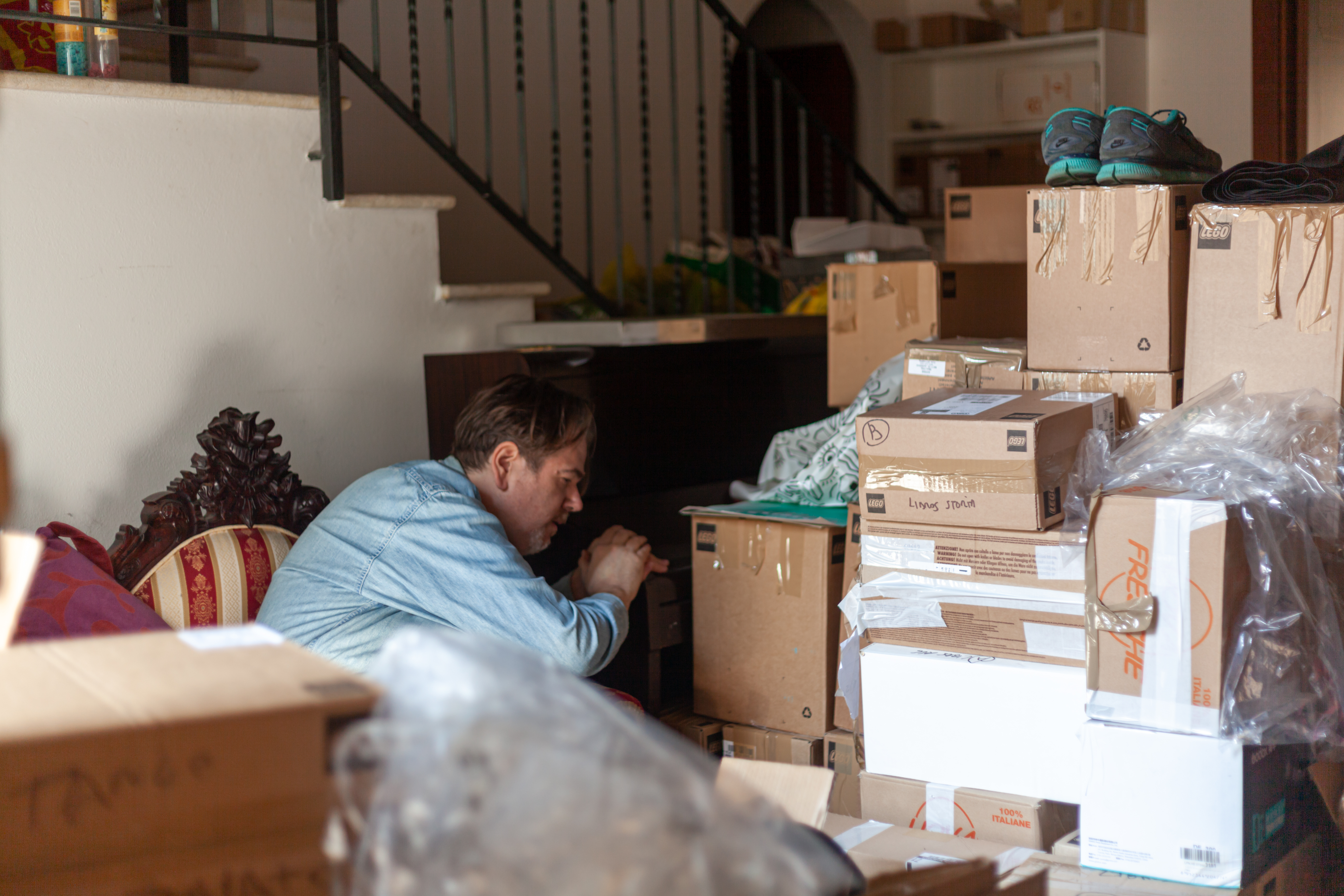
During a PCS move, many military families rely on temporary storage while waiting for housing or household goods delivery. When items move through multiple handling stages, the risk of damage increases. Many damage claims actually begin before movers arrive, often due to poor staging or preparation. Proper storage staging helps movers pack efficiently, protects belongings during delays, and reduces the chance of filing a damage claim later.
Why Storage Staging Matters During PCS Moves
A typical PCS move may involve several steps:
- Home packing
- Temporary storage
- Transportation
- Delivery at destination
Each step increases handling, which increases risk. Good staging helps:
- Prevent scratches and breakage
- Reduce packing mistakes
- Protect furniture from moisture
- Keep hardware and parts together
- Improve inventory accuracy
Well-prepared staging often makes the difference between a smooth delivery and a complicated claim.
Where Damage Claims Usually Start
Most PCS damage claims trace back to early preparation issues. Common causes include:
- Furniture not prepared before pack day
- Loose hardware getting lost
- Items left inside drawers
- Damp furniture wrapped in plastic
- Items stored in garages before pickup
- Poor documentation of condition
- Shipment items mixed with non-shipment items
These problems are preventable with simple staging steps.
Step 1: Create a Dedicated Storage Staging Area
A clear staging area keeps your PCS organized and reduces packing errors.
Choose the Right Location
Good staging locations include:
- Climate-controlled storage units
- Clean indoor spaces
- Organized spare rooms
Avoid staging in:
- Outdoor sheds
- Carports
- Humid garages
- Covered patios
Humidity and temperature changes can damage items before they even leave.
Why Separate Staging Helps
Dedicated staging areas:
- Keep movers focused on the correct items
- Prevent accidental packing
- Allow proper preparation
- Simplify inventory tracking
Clear staging saves time on pack day.
Step 2: Separate Items Into Clear Categories
Confusion on pack day leads to mistakes. Define categories early:
- Household goods shipment
- Temporary storage items
- Personally transported items
- Items staying with the home
Use a Simple Labeling System
Helpful methods include:
- Colored tape
- Large written labels
- Category signs on walls
- Simple item lists
Clear labeling helps movers work quickly and accurately.
Step 3: Prepare Furniture Before Pack Day
Furniture preparation reduces damage risk during storage and transit.
Disassemble Large Items
Remove:
- Bed frames
- Table legs
- Shelving supports
This reduces stress on joints during transport.
Keep Hardware Organized
Hardware gets lost easily during PCS moves. Best practices include:
- Place hardware in sealed bags
- Label each bag clearly
- Attach bags to furniture when possible
- Keep backup hardware lists
Missing hardware is one of the most common PCS problems.
Prepare Drawers and Doors
Before movers arrive:
- Empty all drawers
- Remove loose shelves
- Secure doors
- Protect glass panels
This prevents internal damage during transport.
Step 4: Protect Items Before Movers Arrive
Small preparation steps help movers pack more effectively. Helpful steps include:
- Light padding on delicate surfaces
- Protecting tabletops
- Cushioning headboards
- Clearing packing pathways
Avoid fully wrapping furniture yourself unless necessary. Movers often need access to pack items properly.
Items Movers Expect Ready
Before pack day:
- Electronics disconnected
- Appliances clean and dry
- Furniture accessible
- Boxes organized
Preparation speeds packing and reduces handling.
Step 5: Prevent Moisture Damage Before Pickup
Moisture damage is common during PCS moves, especially with temporary storage.
Why Moisture Problems Occur
Risks include:
- Furniture wrapped before fully drying
- Storage delays
- Humid staging areas
- Temperature changes
Moisture problems often appear weeks later.
Moisture Prevention Steps
Before pack day:
- Clean and dry furniture completely
- Allow fabrics to air out
- Use breathable covers
- Elevate items off floors
- Avoid plastic-only wrapping
These steps reduce mildew risk.
Step 6: Document Item Condition Properly
Good documentation protects you if a claim becomes necessary.
Take Clear Photos
Photograph:
- Furniture surfaces
- Electronics
- Antiques
- Existing scratches
Take both:
- Wide photos
- Close-up photos
Photos help verify condition later.
Keep Simple Written Records
Useful records include:
- Furniture descriptions
- Hardware counts
- Special item notes
- Box counts
Simple notes support claims if needed.
Step 7: Stage Storage Units for Easy Packing
Well-organized units help movers pack safely.
Layout That Works Best
Inside a staging unit:
- Leave clear walking paths
- Place large items near the entrance
- Stack boxes safely
- Separate fragile items
This reduces unnecessary handling.
Reduce Extra Handling
Extra movement increases damage risk. Efficient staging:
- Keeps items accessible
- Prevents rearranging
- Allows direct loading
Less handling means fewer problems.
Climate-Controlled Storage and PCS Moves
Climate-controlled storage helps protect items during delays. It is especially helpful for:
- Upholstered furniture
- Electronics
- Documents
- Musical instruments
- Uniforms
Stable conditions reduce the chance of mildew or warping during temporary storage.
Common PCS Storage Staging Mistakes
Avoid these common problems:
- Waiting until pack week to stage items
- Mixing shipment categories
- Leaving items inside furniture
- Missing hardware
- Storing damp furniture
- Overpacking boxes
- Blocking access paths
Most PCS damage claims come from these issues.
PCS Storage Staging Checklist
Before pack day:
- Reserve storage early
- Separate shipment categories
- Prepare furniture
- Protect delicate items
- Prevent moisture problems
- Document item condition
- Organize staging layout
This checklist keeps PCS staging simple and effective.
Final Takeaway
Proper storage staging is one of the most effective ways to prevent PCS damage claims. Organized staging protects belongings, improves packing accuracy, and reduces handling risks.
Categories