

How Gulf Coast Humidity Destroys Furniture Without Climate Storage
How Gulf Coast Humidity Destroys Furniture Without Climate Storage
Habib Ahsan
March 2nd, 2026
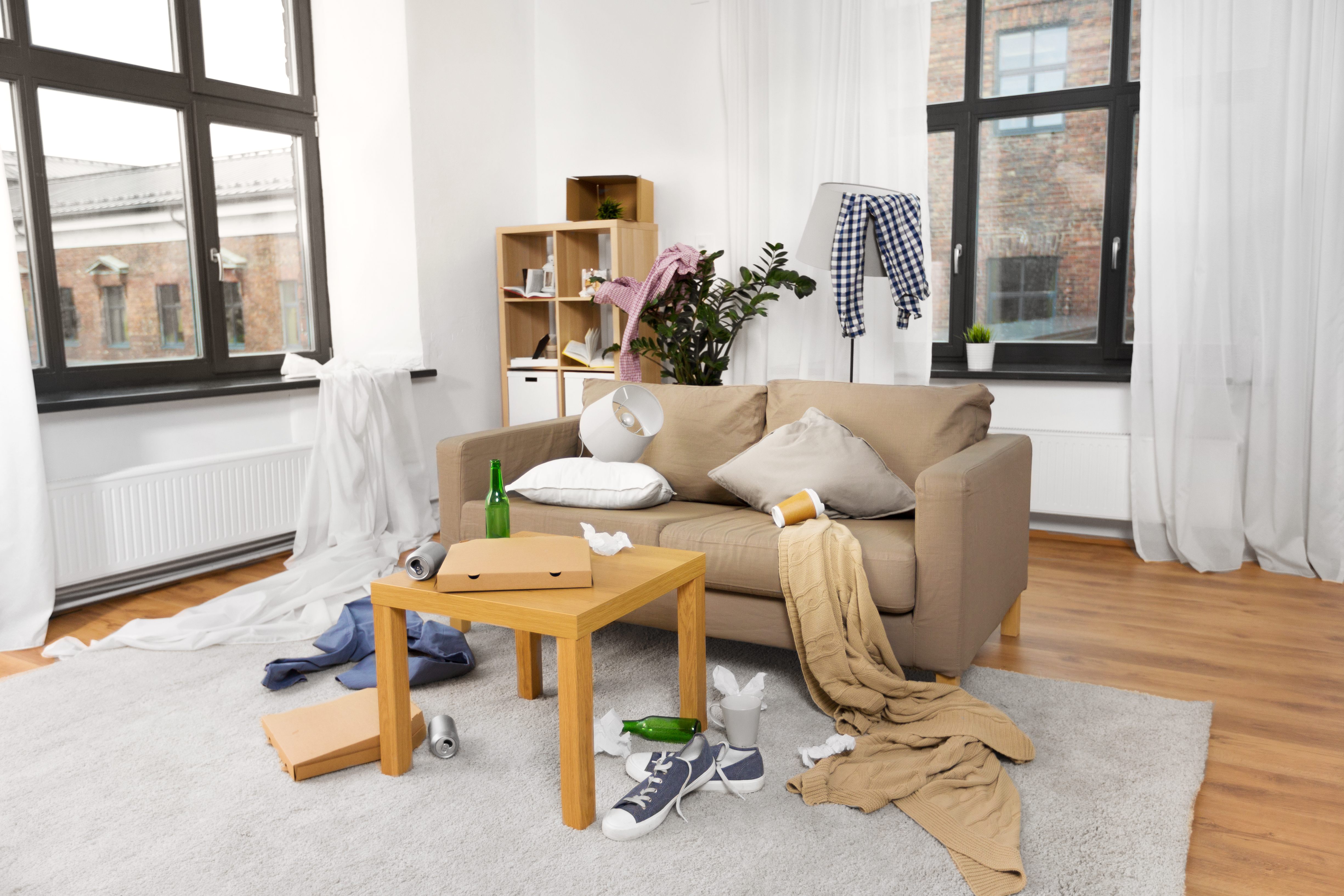
If you live along the Gulf Coast, humidity isn’t seasonal — it’s constant. Even when there’s no visible moisture, the air carries enough humidity to slowly damage furniture stored in garages, sheds, or non-climate storage units. Furniture rarely gets ruined overnight. The damage builds gradually, often becoming obvious only after it’s expensive to fix. Here’s how Gulf Coast humidity actually destroys furniture — and how to prevent it.
Why Gulf Coast Humidity Is Different
Gulf Coast environments create a perfect storm for furniture damage:
- High humidity most of the year
- Warm air that holds more moisture
- Nighttime cooling that creates condensation
- Salt air that accelerates corrosion
- Storage spaces that trap heat and moisture
Garages and non-climate storage units magnify these effects.
How Humidity Damages Furniture (In Practical Terms)
Humidity affects materials in three main ways:
1. Moisture Absorption
Porous materials absorb moisture directly from the air. This includes:
- Upholstery foam
- Fabric covers
- Wood surfaces
- Paper backing under furniture
Even if furniture feels dry to the touch, moisture can be building inside.
2. Condensation Cycles
Warm, humid air enters a storage space. At night, temperatures drop. When surfaces cool, water forms directly on:
- Metal hardware
- Wood surfaces
- Leather
- Fasteners
Repeated condensation weakens materials over time.
3. Expansion and Contraction
Wood expands in humid air and shrinks when it dries. Repeated movement causes:
- Loose joints
- Warped panels
- Cracked finishes
- Drawer misalignment
This process is gradual but permanent.
Upholstered Furniture: The First to Suffer
Upholstered furniture is especially vulnerable.
What Happens Inside Cushions
- Foam absorbs humidity
- Moisture gets trapped inside
- Mold can begin forming internally
- Odors develop before mold is visible
Once mildew odor sets in, it is often permanent.
Fabric and Frame Damage
Humidity leads to:
- Mildew spots
- Weak stitching
- Sagging cushions
- Swollen wooden frames
The damage often appears months later.
Wood Furniture: Slow Structural Breakdown
Wood furniture doesn’t collapse quickly — it weakens slowly. Common problems include:
- Warped tabletops
- Drawer sticking
- Finish clouding
- Veneer bubbling
- Cracked coatings
These signs often appear after long-term exposure.
Leather Furniture: Hidden Damage Cycle
Leather reacts strongly to humidity swings. It may:
- Develop mildew spots
- Absorb moisture and swell
- Dry and crack during air-conditioned periods
- Develop persistent odors
Repeated cycles shorten its lifespan.
Mattresses in Humid Storage
Mattresses absorb moisture through:
- Fabric covers
- Foam interiors
Over time this can cause:
- Musty odor
- Mold beneath the surface
- Permanent contamination
Once affected, mattresses are rarely salvageable.
Why Garages and Non-Climate Units Make It Worse
These environments increase risk because they:
- Experience daily temperature swings
- Trap humid air
- Allow condensation to form
- Have concrete floors that release moisture
- Offer little airflow
Even well-wrapped furniture can suffer if the environment isn’t stable.
The Real Cost of Humidity Damage
Humidity damage leads to:
Repair Costs
- Upholstery replacement
- Wood refinishing
- Hardware replacement
Replacement Costs
- Sofas
- Dining tables
- Bedroom sets
- Mattresses
Resale Impact
- Visible mildew reduces value
- Warped surfaces deter buyers
- Musty odor is difficult to remove
In many cases, replacement costs exceed long-term storage savings.
Why Climate-Controlled Storage Prevents This
Climate-controlled storage interrupts the damage cycle by providing:
- Stable temperature
- Controlled humidity
- Consistent air circulation
This reduces:
- Condensation formation
- Mold growth conditions
- Wood expansion stress
- Corrosion on hardware
Instead of reacting to damage, climate control prevents the conditions that cause it.
Signs Your Furniture Is Already Affected
Watch for:
- Musty odor
- Sticky or cloudy wood finishes
- Tight or uneven drawers
- Mildew spots
- Rusted hinges
- Sagging upholstery
Early signs mean humidity has already begun affecting materials.
How to Protect Furniture Before Storage
If storing long-term on the Gulf Coast:
- Clean and fully dry all furniture
- Use breathable furniture blankets
- Elevate items off concrete floors
- Leave airflow space between pieces
- Avoid plastic-only wrapping
- Choose climate-controlled storage for sensitive items
Preparation matters — but environment matters more.
Who Is Most at Risk?
Gulf Coast homeowners are especially vulnerable when:
- Renovating a home
- Downsizing
- Storing furniture seasonally
- Waiting on new construction
- Between property sales
Long-term storage without climate protection increases risk significantly.
Final Takeaway
Gulf Coast humidity doesn’t need flooding or visible water to cause damage. It works slowly through moisture absorption, condensation, and material stress. Upholstered and wood furniture are especially vulnerable in non-climate storage. The damage may take months to show — but once it does, it’s often permanent.
Categories