

Protecting Antiques and Wood From Coastal Expansion and Contraction
Protecting Antiques and Wood From Coastal Expansion and Contraction
Habib Ahsan
February 4th, 2026
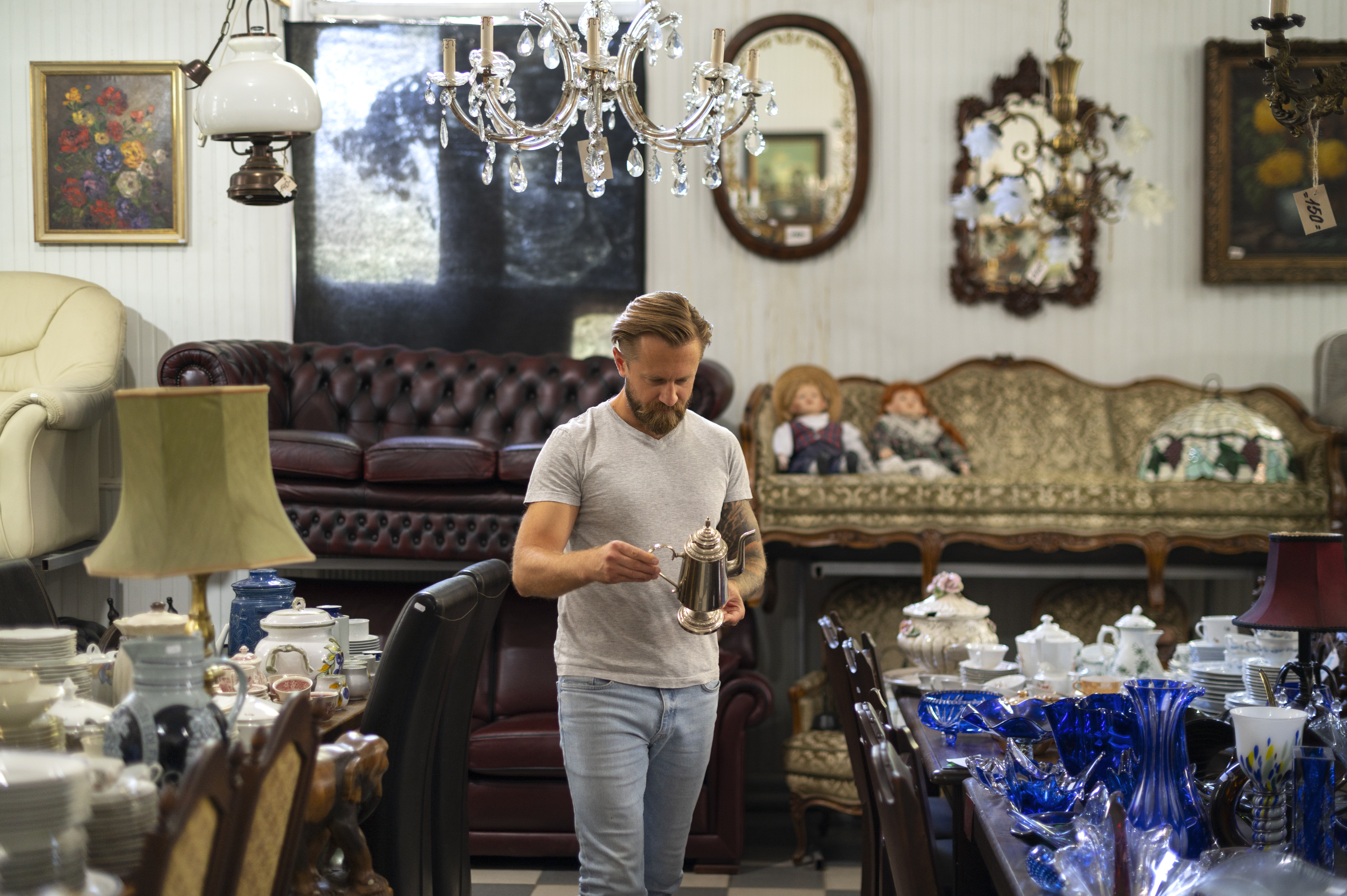
If you live near the coast, protecting antiques and solid-wood furniture requires more than careful packing. Coastal humidity causes wood to expand and contract repeatedly, which slowly damages finishes, joints, and structural integrity. Unlike surface scratches or minor wear, humidity damage is often permanent and expensive to repair. The good news is that with the right preparation and storage environment, you can prevent most of it.
Why Coastal Conditions Are Hard on Wood and Antiques
Wood naturally absorbs and releases moisture from the air. In coastal climates, humidity levels change constantly, which causes wood to move. Over time, this leads to:
- Warped tabletops and panels
- Loose joints in chairs and cabinets
- Veneer lifting or bubbling
- Cracks in finishes and decorative inlays
Antiques are especially vulnerable because older construction methods and materials don’t flex as easily as modern furniture.
How Expansion and Contraction Actually Damage Wood
When Humidity Is High
Wood absorbs moisture and swells:
- Drawers stick
- Doors stop aligning
- Panels press against frames
When Air Becomes Drier
Wood releases moisture and shrinks:
- Small cracks appear
- Glue joints weaken
- Veneer separates from surfaces
Repeated cycles of swelling and shrinking create long-term structural stress.
Why Antiques Need Extra Protection
Older furniture often uses:
- Hand-cut joinery
- Natural adhesives
- Thin decorative veneers
- Shellac or lacquer finishes
These materials are beautiful but sensitive to environmental changes. Once damaged, repairs can be difficult—or impossible without altering the piece. That’s why stable storage conditions matter more for antiques than for everyday furniture.
Common Damage Seen in Coastal Storage
When antiques are stored in garages, sheds, or non-climate units, you may see: Structural problems
- Warped surfaces
- Split drawer components
- Loose chair joints
Surface damage
- Finish cracking
- Veneer bubbling
- Mold forming in carvings or seams
Most of this damage develops slowly and isn’t noticed until it’s severe.
Preparing Antiques and Wood Furniture Before Storage
Clean Without Adding Moisture
- Dust furniture thoroughly
- Avoid water-based cleaning just before storage
- Apply a light furniture wax if appropriate
Let Furniture Stabilize
Before packing:
- Keep items indoors for 24–48 hours
- Allow materials to adjust to indoor conditions
Remove detachable components like:
- Table leaves
- Shelves
- Mirrors
This reduces stress during storage.
Packing Wood Furniture Safely
Use Breathable Protection
- Furniture blankets work best
- Avoid plastic wrap directly on wood
- Protect corners without compressing surfaces
Support Furniture Correctly
- Store items upright when designed that way
- Avoid stacking heavy items on wood surfaces
- Keep long pieces fully supported and level
Good packing prevents pressure damage and airflow problems.
The Most Important Factor: Storage Environment
Packing helps—but environmental stability matters most. Garages and non-climate storage often create:
- Daily humidity swings
- Heat buildup during the day
- Condensation at night
- Salt-air exposure
These conditions cause expansion and contraction cycles that damage wood over time.
Why Climate-Controlled Storage Protects Antiques
Climate-controlled storage maintains:
- Stable temperature
- Consistent humidity levels
- Balanced air circulation
This reduces wood movement and protects:
- Antique furniture
- Solid-wood tables and cabinets
- Musical instruments
- Framed artwork
- Heirloom décor
Instead of reacting to humidity damage, climate control prevents it from starting.
Setting Up a Storage Unit for Antiques
Placement Tips
- Keep furniture off concrete floors
- Leave space between items and walls
- Avoid stacking pieces tightly together
Elevation Matters
Use:
- Pallets
- Shelving
- Stable platforms
This improves airflow and protects from ground moisture.
Monitoring During Long-Term Storage
Check stored antiques occasionally for:
- Finish changes
- Joint looseness
- Musty odors
- Surface unevenness
Early detection prevents larger problems.
Common Storage Mistakes to Avoid
- Wrapping antiques tightly in plastic
- Packing furniture before it acclimates
- Storing in garages or attics
- Placing wood directly on concrete
- Ignoring humidity changes
These mistakes often lead to irreversible damage.
Final Takeaway
Protecting antiques near the coast is about stability, not just storage. Wood expands and contracts with humidity, and repeated cycles weaken furniture over time. Proper packing helps—but climate-controlled storage provides the consistent environment antiques need to last for generations.
Categories