

Keeping Fishing Gear and Rods Safe With Climate-Controlled Storage During the Off-Season
Habib Ahsan
January 19th, 2026
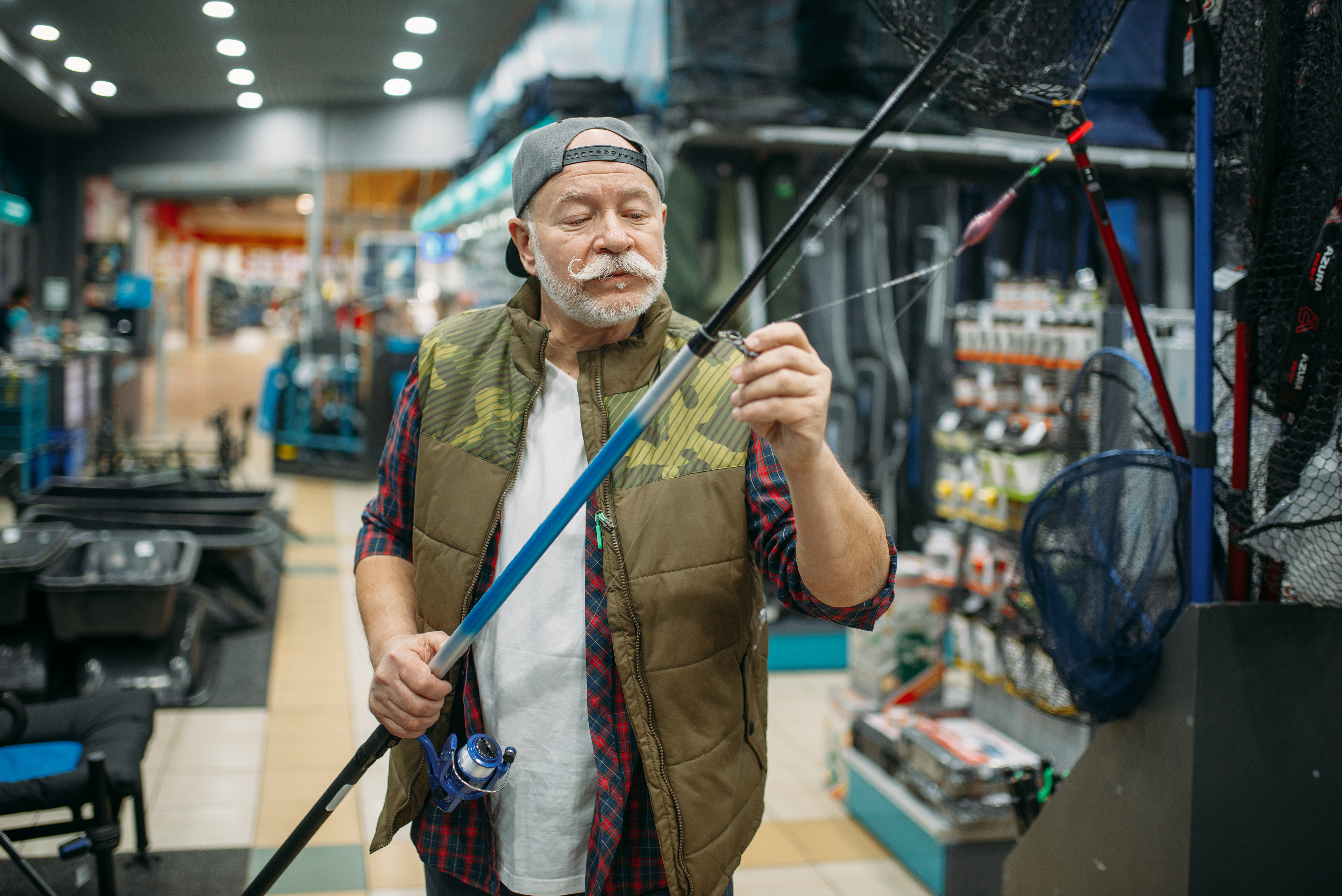
If you fish along the coast or in humid areas, the off-season can quietly do more damage to your gear than an entire year on the water. Rods, reels, lines, and soft gear are especially vulnerable when they sit unused in garages, sheds, or closets without climate control. The goal of off-season storage isn’t just saving space—it’s making sure your gear works exactly as expected when the season starts again.
Why Off-Season Storage Deserves More Attention
Fishing gear is built for water—but not for constant moisture and still air. During the off-season, small problems develop slowly and often go unnoticed until it’s too late. Common off-season issues include:
- Rust forming inside reels
- Mold developing on fabric gear
- Rods warping from uneven support
- Lines becoming weak or brittle
These issues don’t usually come from use. They come from how gear is stored.
The Biggest Threats to Fishing Gear in Coastal Areas
Moisture That Never Fully Dries
Even when gear looks dry, humidity keeps moisture in:
- Reel housings
- Rod guides
- Tackle boxes
- Fabric seams
This leads to rust, mold, and odors over time.
Salt in the Air
Salt particles settle on gear—even indoors. Garages and sheds allow salt air to circulate freely, speeding up corrosion on metal parts.
Temperature Swings
Daily temperature changes cause condensation:
- Warm days and cool nights pull moisture into sealed parts
- Lubricants break down in heat
- Repeated expansion stresses rods and finishes
Why Climate-Controlled Storage Works Better
Climate-controlled storage creates a stable environment that protects fishing gear without extra effort. It helps by:
- Keeping moisture levels consistent
- Preventing condensation inside reels
- Reducing mold growth on soft gear
- Slowing rust and corrosion
- Preserving line strength and reel performance
For off-season storage longer than a few weeks, climate control becomes a preventive measure, not a luxury.
How to Prepare Fishing Rods for Off-Season Storage
Clean Before You Store
- Rinse rods with fresh water to remove salt
- Pay attention to guides and reel seats
- Dry completely before storing
Skipping this step allows salt and moisture to keep working while the rod sits unused.
Store Rods With Proper Support
- Store rods vertically or flat with full support
- Avoid leaning rods against walls at an angle
- Separate multi-piece rods to relieve joint pressure
Use Breathable Protection
- Rod sleeves or socks protect finishes
- Avoid plastic wrap or airtight bags
- Let materials breathe to prevent moisture buildup
Protecting Reels During Long Storage Periods
Remove Reels From Rods
This reduces stress on rod seats and keeps reels safer during handling.
Light Cleaning and Protection
- Wipe exterior surfaces
- Apply a light corrosion-preventing spray to exposed metal
- Do not over-oil—more is not better
Store Reels Properly
- Use padded cases or soft bags
- Keep reels off the floor
- Loosen drag systems to prevent pressure damage
For electric or battery-powered reels, remove batteries before storage.
Storing Tackle, Lines, and Soft Gear the Right Way
Tackle and Lures
- Dry everything completely
- Use rust-prevention tabs if storing hooks
- Keep lures separated to avoid finish damage
Fishing Line
- Store spare line away from sunlight
- Keep spools in closed containers
- Avoid heat exposure that weakens line strength
Soft Gear and Fabric Items
- Fully dry nets, waders, and gloves
- Store loosely folded
- Never seal damp fabric in plastic
Organizing a Storage Unit for Fishing Gear
Good organization prevents damage and saves time. Smart setup ideas:
- Rods stored upright or in racks
- Reels and electronics on shelves
- Tackle in labeled bins
- Gear stored off the floor
- Airflow space between items
Keep frequently used gear near the front for easy seasonal access.
When Climate-Controlled Storage Is Worth It
Climate control is strongly recommended for:
- Saltwater fishing gear
- High-end rods and reels
- Gear stored longer than 30 days
- Fabric and electronic equipment
- Gear stored near the coast year-round
Drive-up or non-climate storage may work short-term for durable items, but it’s not ideal for off-season protection.
Common Storage Mistakes That Cost Anglers Money
- Leaving gear in garages or sheds
- Storing damp equipment
- Sealing gear in plastic containers
- Ignoring small rust spots before storage
- Letting gear sit untouched for months
Most damage happens while gear isn’t being used.
Why Climate-Controlled Storage Makes Sense for the Off-Season
Using climate-controlled storage:
- Extends the life of rods and reels
- Keeps gear ready for the first trip back
- Prevents costly replacements
- Reduces maintenance time before the season starts
For anglers who invest time and money into their equipment, climate-controlled storage is about protecting performance, not just storing items.
Final Takeaway
If your fishing gear matters to you, how you store it during the off-season matters just as much as how you use it. Climate-controlled storage provides a stable environment that prevents slow, hidden damage—so your gear is ready when the season returns, not sidelined by preventable problems.
Categories