

What Items Should Never Go Into Non-Climate Storage Near the Texas Coast
What Items Should Never Go Into Non-Climate Storage Near the Texas Coast
Habib Ahsan
April 1st, 2026
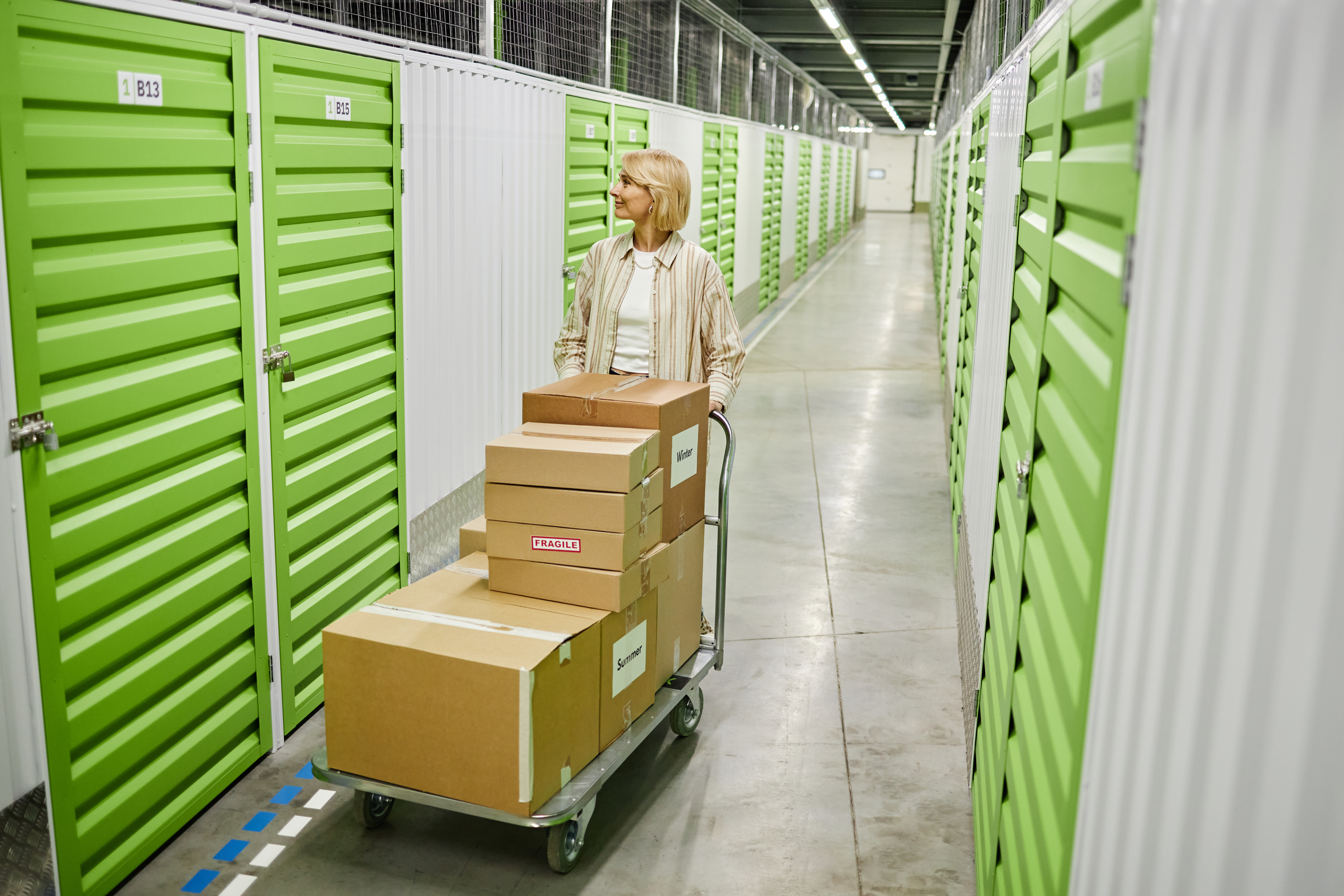
Keeping possessions along the Texas Gulf Coast is something many people do not take seriously. Cities such as Houston, Galveston, Corpus Christi, and Port Arthur are known for long, humid summers, salty coastal air, and sudden weather changes throughout the year. Although non-climate-controlled storage units may be more affordable, your belongings are exposed to extreme heat, temperature fluctuations, and constant moisture.Humidity levels near the coast remain high for most of the year. This environment, combined with salt in the air and intense summer heat, can damage items that are left unprotected. Mold growth, rust, warping, cracking, and adhesive failure are common problems associated with standard storage units that lack temperature and humidity control.This article explains which materials should never be stored in non-climate-controlled units near the Texas coast and why investing in climate-controlled storage can prevent thousands of dollars in damage—often before you even realize it has occurred.
Understanding the Coastal Storage Risk
Before diving into specific items, it helps to understand what makes coastal storage so risky:
- High Humidity: Moisture penetrates porous materials like wood, paper, and fabric.
- Extreme Heat: Non-climate units can become significantly hotter than outdoor temperatures.
- Salt Air Exposure: Accelerates corrosion on metal and electronic components.
- Temperature Fluctuations: Repeated expansion and contraction weaken materials over time.
These environmental factors don’t just affect delicate heirlooms. Even everyday household goods can deteriorate quickly in coastal conditions.
Items You Should Never Store in Non-Climate Units Near the Texas Coast
1. Wood Furniture and Antiques
Wood is highly sensitive to humidity changes. In non-climate storage near the coast, wooden furniture can:
- Warp or swell
- Crack as it dries unevenly
- Develop mold or mildew
- Experience veneer separation
- Loosen joints and structural components
Antique furniture is especially vulnerable because older finishes and adhesives are more fragile. Once wood warps or cracks significantly, repairs are costly and sometimes impossible.
Bottom line: Never store wooden or antique furniture in non-climate units along the Texas coast.
2. Important Documents and Paper Items
Paper absorbs moisture rapidly. In humid environments, documents may:
- Curl and wrinkle
- Yellow or discolor
- Stick together
- Grow mold
- Become brittle over time
Items at risk include:
- Birth certificates
- Tax records
- Legal contracts
- Books
- Family photo albums
Photographs are particularly vulnerable because humidity can cause images to stick together or develop irreversible water damage.
Recommendation: Store important papers in a climate-controlled environment with archival containers.
3. Clothing, Linens, and Fabric Items
Fabric is a magnet for moisture in coastal climates. Natural fibers such as cotton, wool, silk, and linen are especially prone to mold growth.Potential damage includes:
- Mildew stains
- Musty odors
- Fabric weakening
- Permanent discoloration
Cardboard boxes worsen the problem because they absorb moisture and transfer it to fabrics. Even plastic bags can trap condensation if temperatures fluctuate.Never store clothing or linens in non-climate storage near the coast unless you’re prepared to risk mold damage.
4. Electronics and Appliances
Electronics are extremely vulnerable to coastal conditions. High humidity and salt exposure can:
- Corrode internal circuitry
- Cause condensation inside devices
- Lead to battery leakage
- Warp plastic casings
- Damage display screens
Items at risk include:
- Televisions
- Computers and laptops
- Gaming systems
- Stereo equipment
- Kitchen appliances
Even if electronics appear fine initially, internal corrosion may cause failure months later.Climate control is essential for protecting electronic equipment.
5. Artwork and Collectibles
Artwork and collectibles often carry financial and sentimental value. Non-climate storage can cause:
- Canvas warping
- Paint cracking or fading
- Mold on artwork surfaces
- Frame damage
- Paper deterioration
Collectibles such as comic books, trading cards, stamps, and vintage toys can lose significant value if exposed to moisture.If you own valuable artwork or collectibles, non-climate storage near the coast is simply too risky.
6. Mattresses and Upholstered Furniture
Mattresses and upholstered items are especially prone to moisture damage because they contain:
- Foam
- Fabric
- Wood frames
- Batting and padding
These materials trap humidity and provide the perfect environment for mold growth. Once mold develops inside a mattress or couch, the item usually must be discarded.Storing these items in non-climate conditions near the Texas coast is a common—and costly—mistake.
7. Musical Instruments
Musical instruments are highly sensitive to temperature and humidity fluctuations.Wood instruments like:
- Guitars
- Violins
- Cellos
- Pianos
can crack, warp, or go out of tune permanently. Brass and metal instruments may corrode due to salt exposure.Even slight environmental instability can affect tone and structural integrity.Musical instruments should always be stored in climate-controlled conditions.
8. Leather Goods
Leather absorbs moisture from the air. In humid coastal conditions, leather can:
- Develop mildew
- Become stiff or brittle
- Crack
- Lose shape
- Discolor
Items at risk include:
- Leather jackets
- Boots and shoes
- Handbags
- Furniture
Once leather becomes moldy, restoration is expensive and not always successful.
9. Items with Adhesives, Wax, or Glue
Heat and humidity cause adhesives to soften or fail. This affects:
- Framed artwork
- Scrapbooks
- Vinyl records
- Candles
- Decor items
- Laminated materials
High temperatures inside non-climate units can also melt wax items entirely.
10. Prohibited and Hazardous Items
Regardless of climate conditions, certain items should never be stored in any storage unit due to safety concerns:
- Gasoline and fuel
- Propane tanks
- Paint thinners
- Fireworks
- Aerosol cans
- Perishable food
- Live plants
These items can create fire hazards, pest problems, or contamination risks.Always review your facility’s policies before storing materials.
What Can Typically Handle Non-Climate Storage?
While many items require climate protection, some can tolerate non-climate storage reasonably well:
- Metal tools (with rust prevention measures)
- Plastic containers
- Outdoor equipment
- Lawn furniture
Even then, items should be elevated off the floor and checked periodically.
Conclusion
Storing belongings near the Texas coast requires careful planning. The combination of humidity, heat, and salt air makes non-climate storage unsuitable for many common household items. Wood furniture, electronics, documents, fabrics, leather goods, artwork, and musical instruments are especially vulnerable to irreversible damage.While non-climate units may save money upfront, replacing damaged belongings often costs far more than the price difference for climate control.If you live anywhere along the Gulf Coast, choosing climate-controlled storage for sensitive items is not a luxury—it’s protection against the realities of the coastal environment.
Categories