

Covered Parking for Boats, RVs, and Trailers: When It’s Worth the Premium
Covered Parking for Boats, RVs, and Trailers: When It’s Worth the Premium
Habib Ahsan
February 20th, 2026
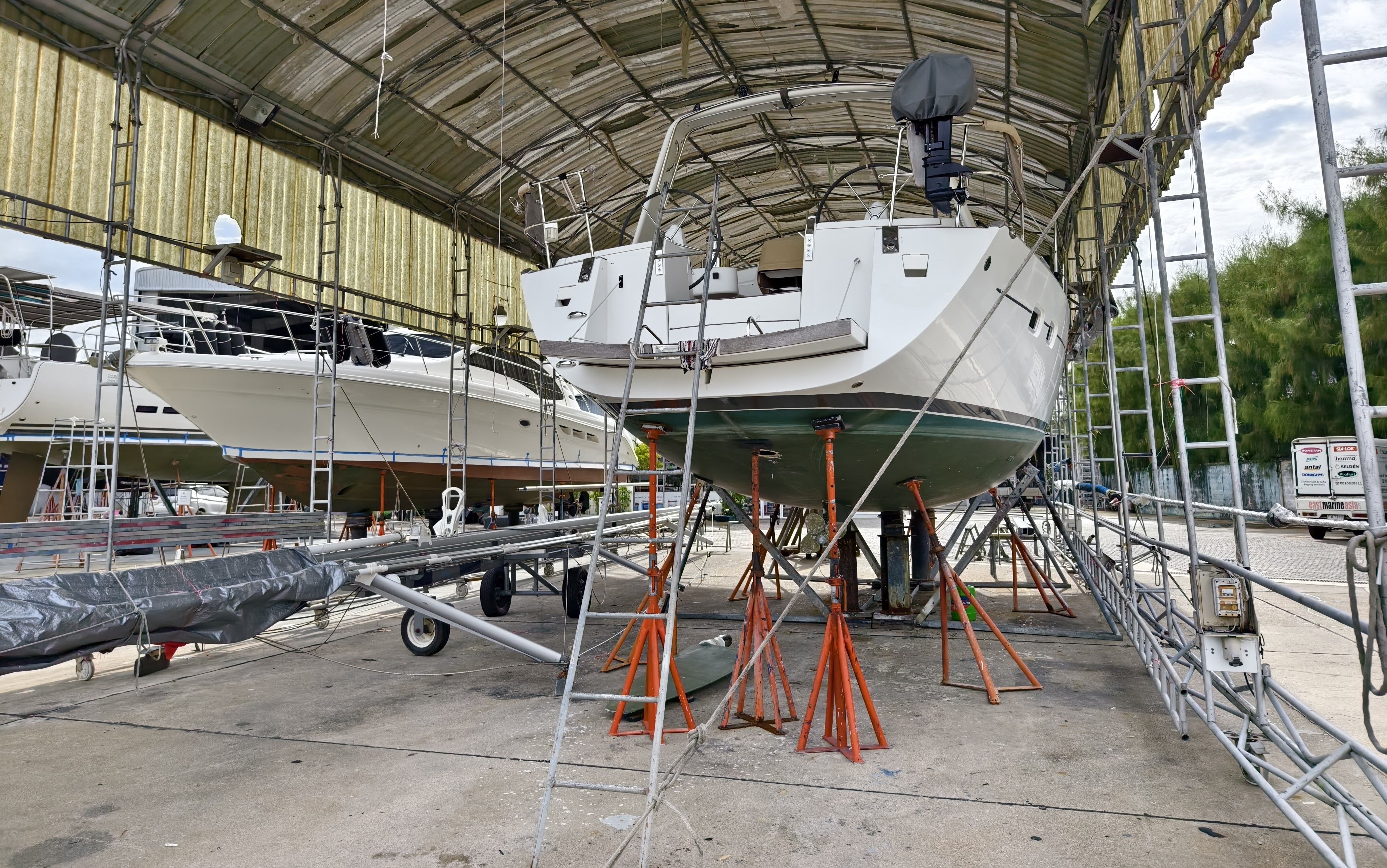
If you store a boat, RV, or trailer near the coast, you already know the sun and salt air are relentless. The real question isn’t whether exposure causes damage — it’s how fast. Covered parking costs more than uncovered storage. But in coastal climates, that premium often offsets maintenance, repairs, and depreciation. Here’s how to decide if it’s worth it for you.
What Covered Parking Actually Protects Against
Covered parking provides overhead protection while still allowing airflow. That balance matters in coastal environments. It reduces damage from:
- Constant UV exposure
- Heat buildup inside cabins and interiors
- Heavy rainfall
- Standing water on roofs
- Surface oxidation on trailers
Unlike tarps, covered structures don’t trap moisture against surfaces.
The Coastal Damage Most Owners Underestimate
UV Exposure
Coastal sun is intense and constant. Over time, it causes:
- Faded or chalked boat gelcoat
- Cracked RV roof membranes
- Brittle rubber seals
- Warped dashboards
- Torn or dry-rotted vinyl seating
UV damage doesn’t happen overnight — but it compounds every month.
Heat Buildup
Interior temperatures spike quickly in uncovered storage. Heat accelerates:
- Tire sidewall cracking
- Battery wear
- Seal deterioration
- Adhesive failure in trim and decals
- Interior warping
Covered parking reduces daily temperature extremes.
Salt Air + Moisture
Near the coast, salt accelerates corrosion. Uncovered exposure increases:
- Rust on trailers and frames
- Oxidation on metal hardware
- Premature seal breakdown
- Roof seam fatigue
Covered parking doesn’t eliminate salt air, but it reduces direct exposure and standing moisture.
When Covered Parking Is Absolutely Worth It
1. Long-Term Storage (60+ Days)
If your boat or RV sits unused for months, sun exposure becomes cumulative. Covered storage slows aging significantly.
2. New or High-Value Units
If resale value matters, covered parking helps preserve:
- Exterior appearance
- Upholstery condition
- Decal integrity
- Roof lifespan
Buyers notice sun damage immediately.
3. Saltwater Boats
Saltwater vessels already face corrosion risks. Covered protection extends the life of:
- Bimini tops
- Vinyl seating
- Console electronics
- Trailer components
4. RVs With Slide-Outs and Roof Seals
RVs are especially vulnerable to sun and moisture damage. Covered parking reduces roof maintenance frequency and seal deterioration.
When Uncovered Storage May Be Enough
Covered parking may not be necessary if:
- Storage is short-term (under 30–60 days)
- The unit already shows significant cosmetic wear
- Budget is the primary concern during a temporary transition
For older units where resale isn’t a priority, uncovered may be acceptable.
The Real Cost Comparison
Many owners focus only on monthly storage price. The better question is: Would you rather pay a predictable storage premium or unpredictable repair costs? Examples of common coastal repair expenses:
- Vinyl seat replacement
- Roof resealing
- Oxidation correction
- Tire replacement due to sun cracking
- Decal replacement
Over time, these costs often exceed the difference between covered and uncovered storage.
Why Tarps Aren’t a Substitute
Some owners try to avoid the premium by using tarps. This usually backfires. Tarps:
- Trap moisture
- Rub against surfaces in wind
- Promote mildew
- Accelerate paint wear
Covered parking provides shade without trapping humidity.
Evaluating Covered Parking Quality
Not all covered spaces are equal. Look for:
- Proper structural height clearance
- Solid anchoring
- Good drainage
- Wide drive aisles for maneuvering
- Stable surface (paved or well-compacted gravel)
Quality structure and layout matter just as much as coverage.
Is Covered Parking Worth It for You?
Ask yourself:
- How long does my unit sit between uses?
- Am I near strong coastal sun and salt air?
- Do I care about resale value?
- What would it cost to repair visible sun damage?
- Is predictable protection worth the monthly premium?
For most coastal owners storing long-term, the answer is yes.
Final Takeaway
In coastal climates, environmental wear isn’t a possibility — it’s a certainty. Covered parking reduces UV damage, slows material breakdown, and protects resale value. The premium isn’t just about shade. It’s about extending the life of your boat, RV, or trailer and avoiding expensive repairs later.
Categories