

Drive-Up Storage for Contractors: Faster Loading for Active Jobs Near the Coast
Habib Ahsan
February 3rd, 2026
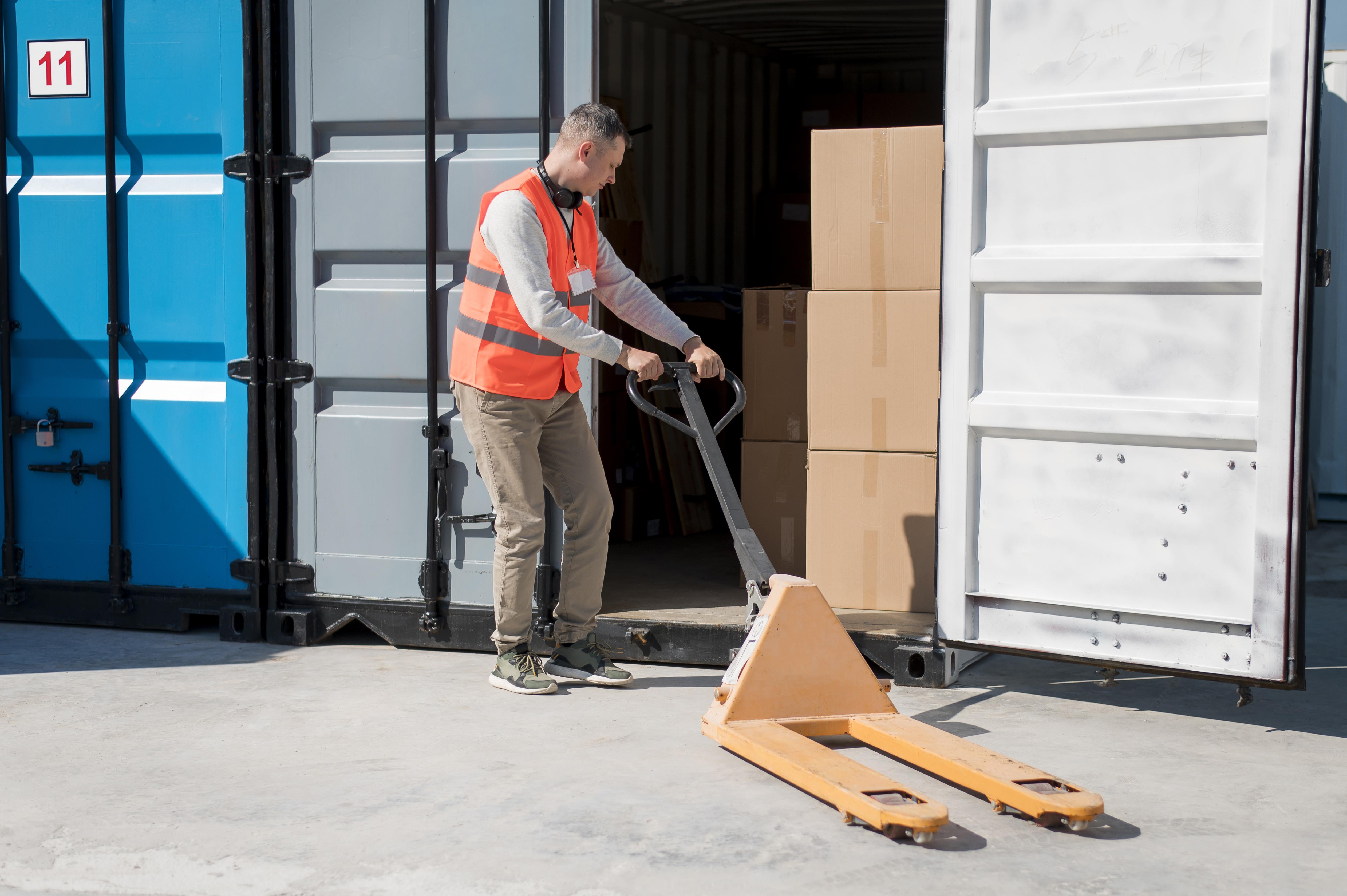
For contractors working near the coast, time isn’t just money—it’s weather windows, crew momentum, and job flow. Delays don’t usually come from the work itself. They come from loading friction: tools stored too far away, materials buried behind other jobs, or wasted trips back to the shop. Drive-up storage removes that friction and keeps jobs moving.
Why Drive-Up Storage Changes the Pace of Coastal Jobs
Most coastal contractors don’t lose hours on-site—they lose minutes every morning and evening. Those minutes stack up fast. Drive-up storage helps by:
- Eliminating hallways, carts, and elevators
- Letting trucks and trailers pull directly to the unit
- Reducing repeated handling of heavy equipment
- Making load-in and load-out predictable, even in bad weather
Faster starts mean crews stay focused instead of rushed.
Coastal Job Site Realities Contractors Deal With Daily
Salt, Humidity, and Weather Pressure
- Salt air accelerates rust on tools and fasteners
- Humidity affects adhesives, finishes, and stored materials
- Sudden storms interrupt loading and staging plans
Space and Access Limitations
- Residential jobs rarely allow overnight tool storage
- HOAs and municipalities restrict trailers and equipment
- Leaving tools on-site increases theft risk
Drive-up storage solves these issues without adding complexity.
What Drive-Up Storage Actually Is—and Why It Matters
Drive-up units are ground-level spaces where vehicles back directly to the door. That means:
- No carrying tools across lots
- No waiting on shared access areas
- No bottlenecks at peak hours
Contractors can load:
- Tool chests
- Ladders and scaffolding
- Compressors and generators
- Pallets of materials in one continuous motion.
The Time Math: Where Contractors Save Hours Every Week
Loading Efficiency
- One lift instead of multiple transfers
- Faster end-of-day breakdown
- Less fatigue for crews handling heavy gear
Crew Productivity
- Earlier job starts
- Fewer mid-day supply runs
- Less downtime caused by missing tools
Over a week, these gains often outweigh the cost of the unit.
Contractors Who Benefit Most From Drive-Up Storage
General Contractors & Remodelers
- Stage tools by project
- Rotate materials between inspection phases
- Keep jobs separated and organized
Trade Professionals
- Electricians: conduit, wire spools, panels
- Plumbers: pipe, fittings, fixtures
- HVAC: condensers, ductwork, service tools
Each trade benefits from fast access and clean separation.
Multi-Site & Mobile Crews
- Centralized storage reduces truck overload
- Crews move between jobs without unloading everything daily
Why Drive-Up Beats Garages and Job Sites Near the Coast
Compared to Home Garages
- No residential congestion
- Better separation of work and personal space
- Reduced salt-air exposure
Compared to On-Site Storage
- No reliance on site access hours
- No theft risk overnight
- Tools stay secure between workdays
Drive-up storage offers consistency that job sites can’t.
Setting Up a Drive-Up Unit for Speed
Interior Layout
- Shelving along side walls
- Clear center aisle for rolling equipment
- Heavy tools near the door
Organization That Saves Time
- Label bins by task or job
- Store daily-use tools up front
- Backup or seasonal gear toward the rear
A well-set unit becomes an extension of the job site.
Climate vs Non-Climate: What Contractors Should Store Where
Items That Benefit From Climate Control
- Power tools and electronics
- Adhesives, sealants, and finishes
- Precision measuring tools
Items Suited for Drive-Up Non-Climate Units
- Ladders and scaffolding
- Hand tools in cases
- Short-term staged materials
Many contractors use both types for maximum efficiency.
Security and Access That Matter to Contractors
Key features contractors value:
- Gated entry
- Good lighting for early and late hours
- Wide drive lanes for trailers and box trucks
- Quick lock-up between jobs
Reliable access keeps crews flexible.
Why Drive-Up Storage Pays for Itself
Drive-up storage helps contractors:
- Reduce wasted labor hours
- Protect tools from theft and weather
- Avoid vehicle overloading
- Scale storage up or down by project
When time savings and reduced losses are factored in, the cost is often offset quickly.
Common Contractor Storage Mistakes
- Choosing indoor-only units that slow loading
- Underestimating coastal corrosion risks
- Storing sensitive tools without climate control
- Using job sites as long-term storage
These mistakes cost more over time than proper storage.
Final Takeaway: Speed Is a Competitive Advantage
In coastal markets, speed and reliability separate profitable contractors from stressed ones. Drive-up storage supports faster loading, cleaner workflows, and better protection for tools—without complicating operations.
Categories